Tracing the historical evolution of gambling from ancient rituals to modern casinos
Origins of Gambling in Ancient Civilizations
The roots of gambling can be traced back to ancient civilizations, where games of chance were often intertwined with religious and cultural rituals. Archaeological findings suggest that as early as 3000 BC, the Chinese were using rudimentary forms of dice made from animal bones, which served both as gaming tools and divination aids. Similarly, the Egyptians employed games involving dice, often linked to their mythology and social customs, highlighting the significance of chance in their belief systems. Today, players can experience thrilling online options, such as Penalty Shoot Out, that mimic these ancient practices.

In ancient Greece, gambling was embraced not only for entertainment but also as a way to engage with fate and fortune. The Greeks organized athletic competitions, where betting on the outcomes became a popular pastime among spectators. Such practices laid the groundwork for more structured forms of gambling, elevating it from mere ritual to a competitive sport that drew communal engagement.
The Development of Gambling in the Middle Ages
As societies evolved, so did the concept of gambling, particularly during the Middle Ages. This era saw the introduction of various gambling games, including card games, which were believed to have originated in Asia and made their way to Europe via trade routes. The popularity of these games led to the establishment of early gambling houses, where individuals could gather to play and wager, signifying a shift towards more formalized gambling environments.
During this time, gambling also gained a reputation as a vice, particularly among the ruling classes, leading to fluctuating regulations. Some governments banned gambling outright while others levied taxes on gambling activities, recognizing its potential as a revenue source. This duality reflected the complexities surrounding gambling, where it was simultaneously seen as an entertainment option and a moral dilemma.
The Rise of Modern Casinos in the 18th and 19th Centuries
The 18th century marked a significant turning point in the evolution of gambling, with the emergence of the first modern casinos. The Casino di Venezia, established in Italy in 1638, was one of the earliest legal gambling establishments, setting the stage for the rise of glamorous gaming houses across Europe. By the 19th century, cities like Monte Carlo became synonymous with high-stakes gambling, attracting aristocrats and wealthy individuals eager for adventure and fortune.
This era also witnessed the birth of various classic casino games such as roulette and blackjack, each with unique rules and strategies that appealed to a wide range of players. The establishment of regulatory frameworks began to emerge, providing a more structured environment for gambling that emphasized fairness and transparency, fostering a sense of legitimacy that would draw even more patrons.
Gambling in the 20th Century: Legalization and Expansion
The 20th century saw unprecedented changes in the landscape of gambling, fueled by the widespread legalization of casinos and the introduction of lottery systems. This period also marked the transition of gambling from physical venues to the burgeoning realm of online gambling. The internet revolutionized the way people engaged with casino games, enabling players to enjoy their favorite activities from the comfort of their homes.
The growth of online casinos expanded the market significantly, catering to diverse audiences and introducing innovative gaming experiences. Additionally, the advent of mobile technology further transformed the gambling scene, allowing players to access casino games anytime and anywhere. As a result, the gambling industry became one of the fastest-growing entertainment sectors in the world.
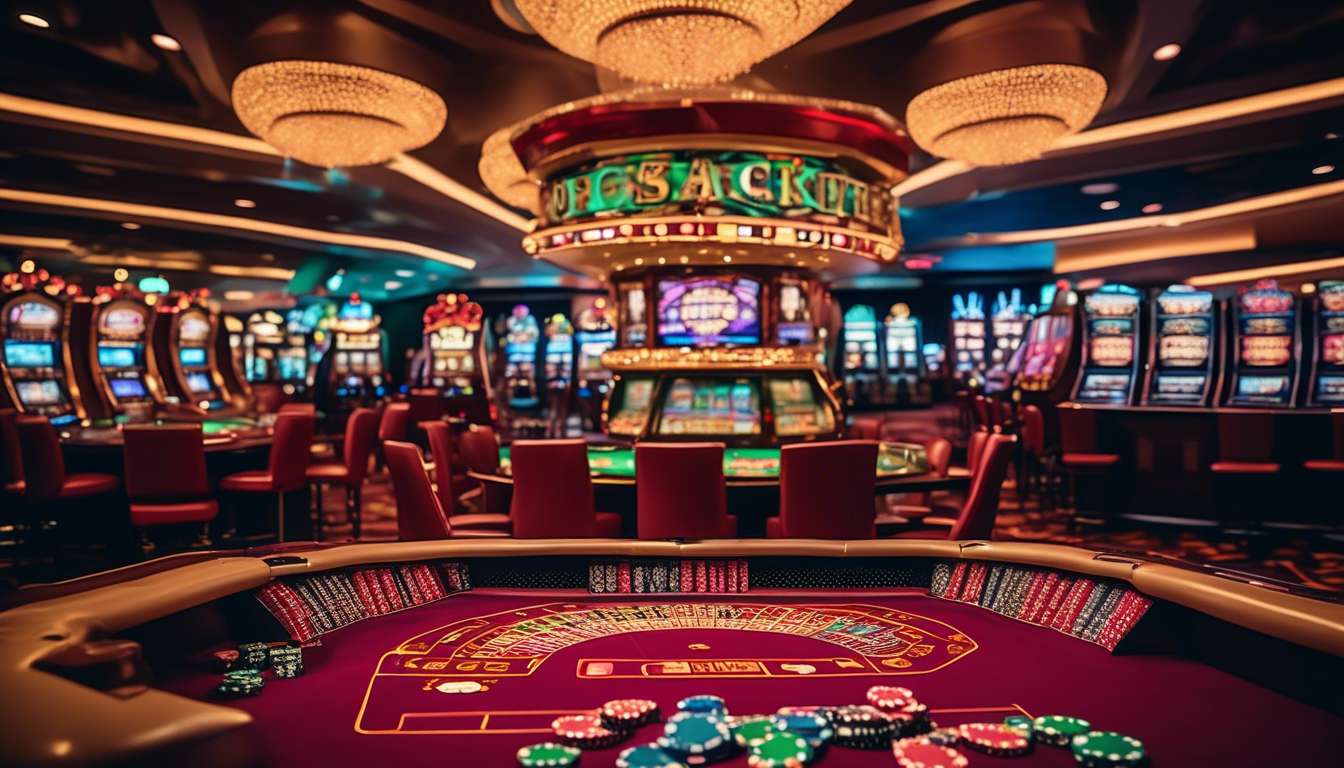
The Future of Gambling and Online Gaming Platforms
As technology continues to evolve, so too does the gambling industry, leading to exciting developments in gaming experiences. The rise of virtual reality and artificial intelligence is expected to shape the future of casinos, offering immersive environments that replicate real-life experiences. Innovations such as live dealer games have already begun to bridge the gap between online and in-person gambling, providing an authentic and interactive experience for players.
The website offers a comprehensive overview of the current gambling landscape, featuring insights into popular games, strategies for success, and recommendations for reliable online casinos. With a focus on enhancing player experience and understanding the nuances of gambling, the platform serves as a valuable resource for both novice and experienced players alike. Join in on the excitement of this ever-evolving industry and explore the world of gambling today!